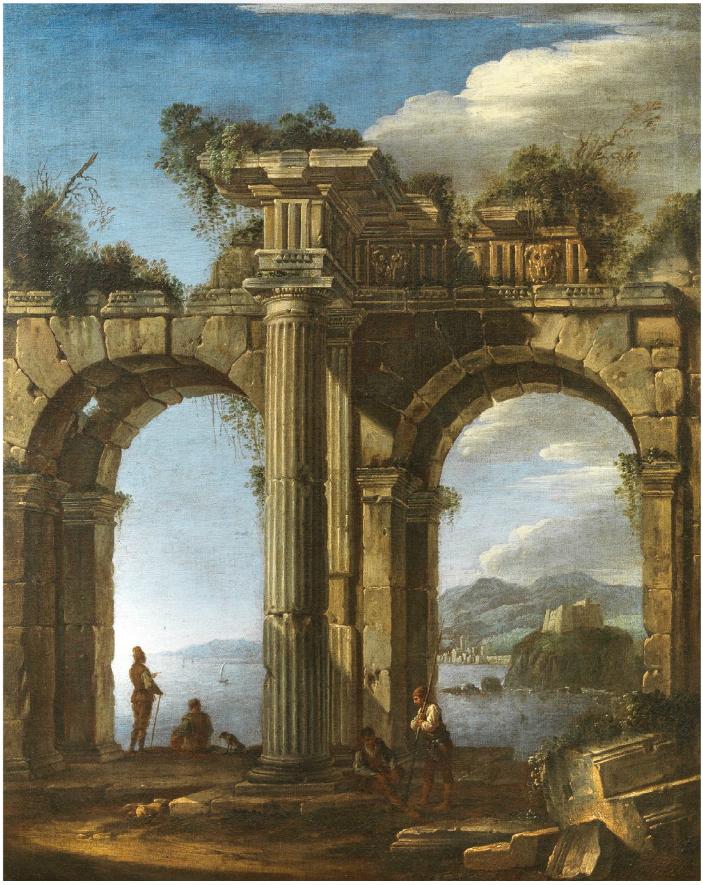
An Essay on “The Story of Art” by E.H. Gombrich

A Philosophical Reading of the Evolution of Human Perception**

E.H. Gombrich’s The Story of Art can be regarded as one of the most powerful gateways into the long intellectual journey of understanding how artists, across civilizations and eras, have perceived the world. The book does not open with a chronological map, nor with a promise to explain styles, schools, or movements; instead, it begins with a single, startling sentence that serves as the conceptual backbone of the entire work: “There really is no such thing as Art. There are only artists.”
Featured Showcase

Lorem ipsum is placeholder text commonly used in the graphic, print, and publishing industries for previewing layouts and visual mockups.
…………….

Sed ut perspiciatis unde omnis iste natus error sit voluptatem accusantium dolore
………..

Sed ut perspiciatis unde omnis iste natus error sit voluptatem accusantium dolore
………………….

Sed ut perspiciatis unde omnis iste natus error sit voluptatem accusantium dolore
………………

Sed ut perspiciatis unde omnis iste natus error sit voluptatem accusantium dolore
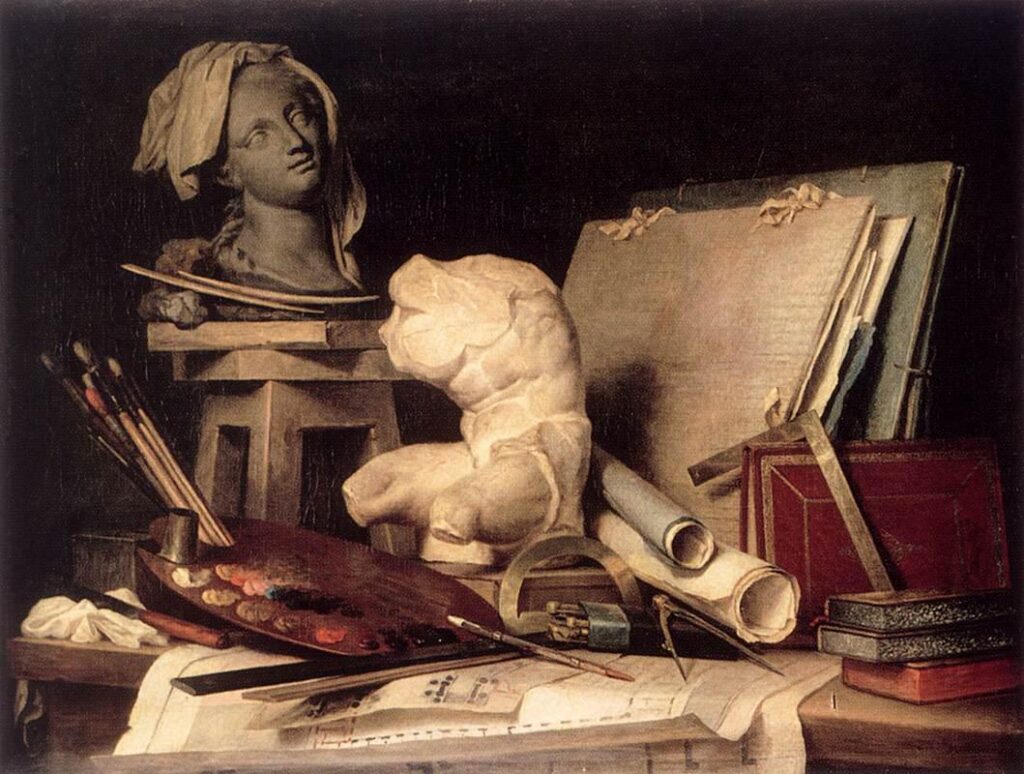
What unfolds through the pages is not simply a “history of artworks,” but a philosophical exploration of how human perception has evolved. Gombrich proposes that art is not an external object or entity; it is a relationship. Art occurs not merely in the work, but in the dynamic between the artist’s intention and the viewer’s interpretation. History, therefore, becomes a history of shifting viewpoints—of how human beings have learned to see, understand, and reimagine the world.

A profound intellectual humility runs through Gombrich’s narrative. He repeatedly reminds us that artistic progress is neither spontaneous nor mystical; it is the result of the disciplined training of perception—a continuous effort spanning generations, traditions, and individual experiences. Whenever Gombrich speaks of art, he does not simply refer to painting or sculpture, but to the broader spectrum of human attempts to interpret reality. This, perhaps, is the book’s most crucial contribution: it replaces static definitions of art with dynamic processes of understanding.

In Gombrich’s view, art has never emerged from a vacuum. It has always been a response—a response to human needs, existential anxieties, spiritual questions, and intellectual challenges. What we call “style” is therefore not merely the visual language of an era; it is the philosophical position that an era adopts in relation to truth, nature, beauty, and the human condition. The evolution of art, as Gombrich presents it, is thus the evolution of consciousness itself.

A profound intellectual humility runs through Gombrich’s narrative